Reflections of Winter Gathering
Posted February 19, 2026

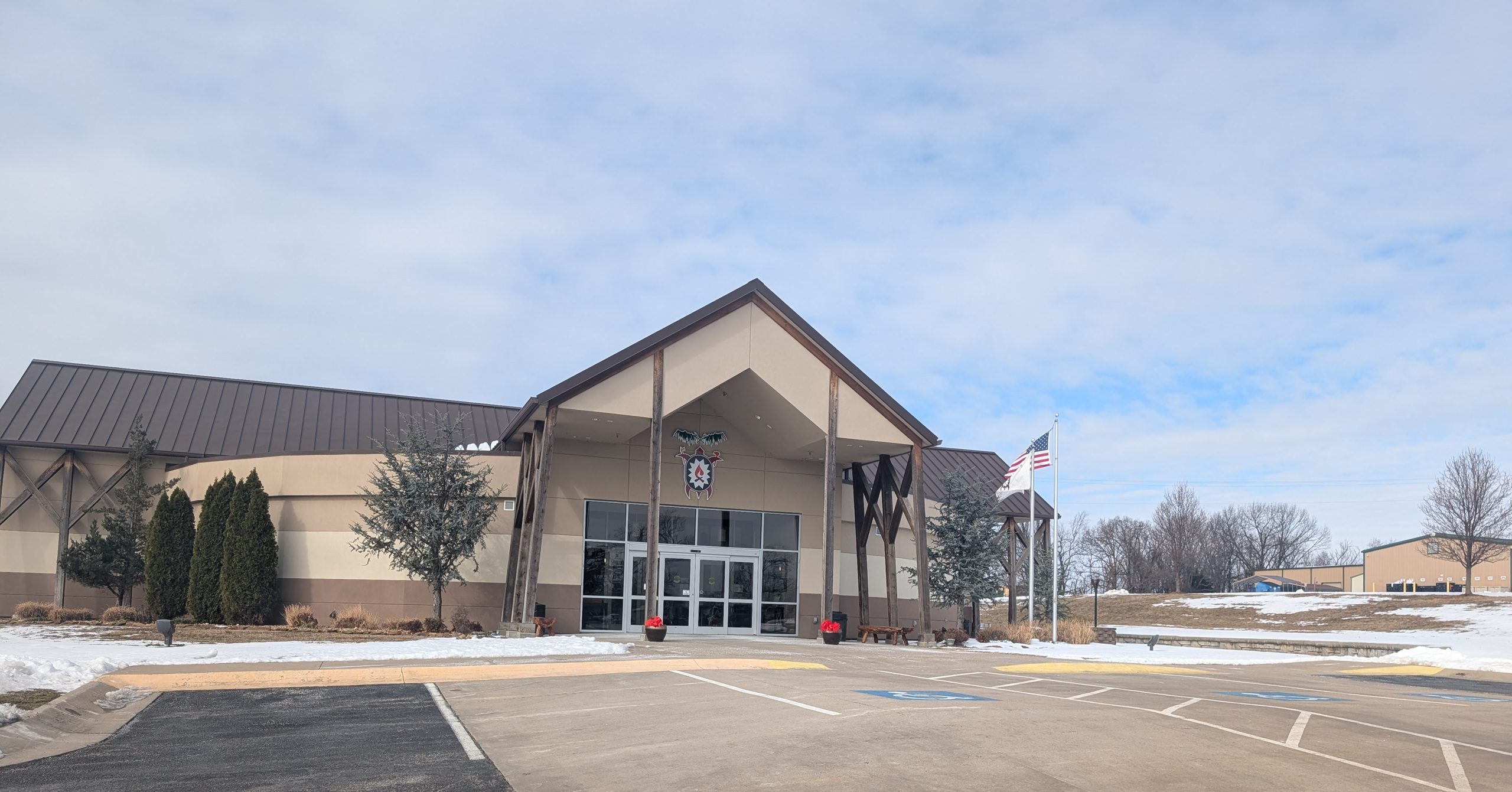
Outside view of the Wyandotte Cultural Center and Museum in Wyandotte, OK.

The Miami Tribe, headquartered in Miami, Oklahoma (OK), invited guests from Miami University, community members and partners for their 29th Annual Winter Gathering at the end of January 2026. Winter Gathering is the sharing of language, art and heritage, allowing participants to learn from each other and expand their knowledge and appreciation of the Myaamia culture.

A group from Ohio History Connection traveled to Oklahoma for a long weekend to meet with partners from several Nations and to attend the Winter Gathering. Read below for some reflections of their trip.

Megan Wood, Executive Director and CEO

Our trips to visit with Tribes are always humbling and this one was no different. I’ll share just a few.

Chief Friend read from a speech given by a Wyandotte leader as his people were forcibly removed from Ohio. Although the Tribe was being driven from their homeland and all that was sacred, the leader promised that the people of Ohio would one day be welcomed wherever the Wyandotte settled, and that if an Ohioan showed up hungry, they’d be fed. As he read those compelling words of friendship, our group was being hosted by the Tribe for a bountiful breakfast at the Wyandotte casino.

Chief Wallace of the Eastern Shawnee Tribe hosted us for a delicious lunch and showed us how much has been accomplished over the last 18 years. She reflected on how much our relationship has grown over those years. To hear Chief Wallace speak with pride about our collaborative work was moving.

And lastly, during our time with the Miami Tribe, we were generously hosted with many meals and welcomed to participate in the celebration of social dances. But what really struck me was witnessing the ethical return of Chief Little Turtle’s bag back to the Tribe.

There is always so much packed into these trips, and I feel really fortunate to see this moment of time in our relationships with federally recognized Tribes. These experiences leave me energized to try to do more.

Glennda McGann, Development Officer

I felt on a visceral level in Oklahoma: through the stomp dance, the energy of the Winter Gathering; through a vast emptiness, suddenly a place where people made something from nothing; through storytelling, the emotion of reclaiming identity and rebuilding lost language; through museum exhibits, a reconnection to exquisite art and tradition. And most importantly, through conversation, our shared reverence for the Ancestors and the Hopewell Ceremonial Earthworks.

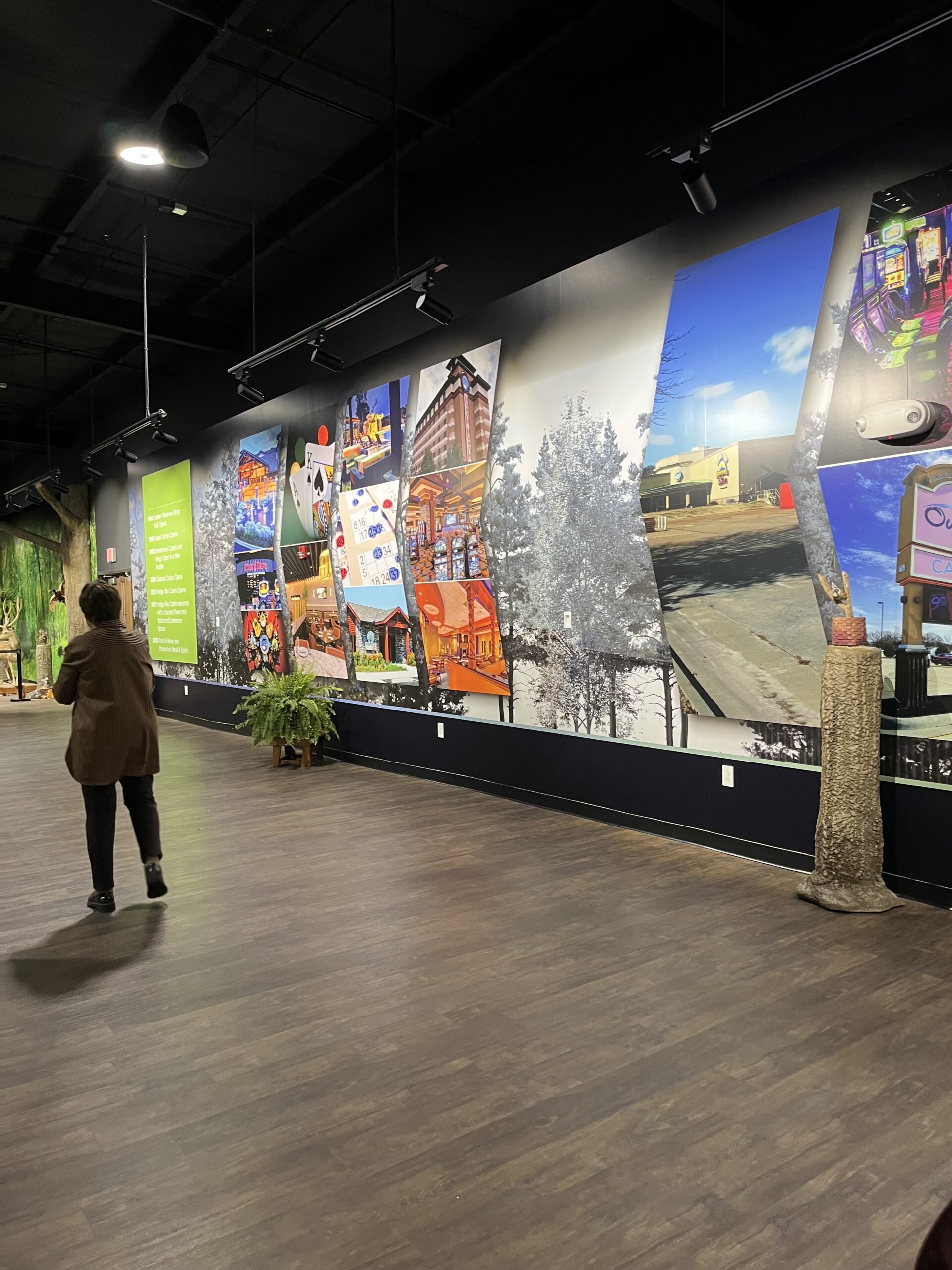
Chief Glenna Wallace of the Eastern Shawnee talking about a mural of the Tribe's recent history during a tour of the Treehouse Annex, a former Bingo hall made to look like a Shawnee Woodland.

Chief Glenna Wallace of the Eastern Shawnee talking about a mural of the Tribe's recent history during a tour of the Treehouse Annex, a former Bingo hall made to look like a Shawnee Woodland.

Ann Ruege, Chief Organizational Advancement Officer

Throughout the visit, every conversation, site tour, and shared moment offered a powerful reminder of how our values come alive in real Tribal communities.

Participating in the Miami Nation's Winter Gathering was especially moving—standing alongside community members, hearing their stories, and witnessing their traditions firsthand was both humbling and inspiring.

These experiences left me with a renewed sense of gratitude and a deeper appreciation for our Tribal partners in Oklahoma, including the Wyandotte Nation, Miami Nation, and Eastern Shawnee Tribe of Oklahoma.

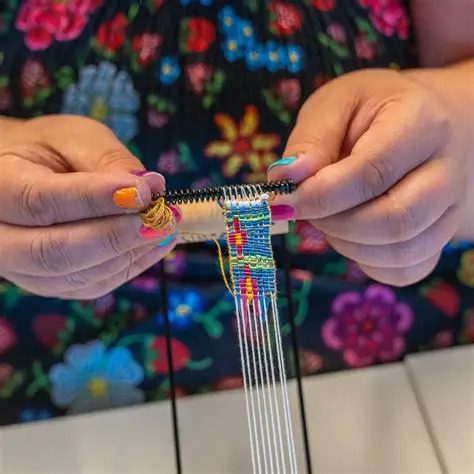
Closeup of Wyandotte Tribal Citizen doing beadwork with tiny beads.

Closeup of Wyandotte Tribal Citizen doing beadwork with tiny beads.

Brad Lepper, Senior Archeologist, Hopewell Ceremonial Earthworks

The 2026 Miami Winter Gathering was the first social event I’d ever attended with our Tribal partners. I’d been to many meetings in Oklahoma over the years involving consultation on various projects and had developed many relationships and friendships that have meant a lot to me. But this was my first opportunity to just be there to share a special occasion with friends and partners. I was at first reluctant to join in the Stomp Dance, wondering how many ways I could embarrass myself, but Chris Samples, Second Chief of the Eastern Shawnee, would have none of have that and did not quite drag me out onto the dance floor where I had fun and experienced a sense of welcome and community.

A few of the things that stand out for me over the course of the several days we were there are the breakfast that Chief Friend hosted for us. He read a moving letter that the Wyandotte Nation had sent to their many friends in Ohio after they had been forcibly removed from their communities. The kindness and compassion of the letter after their horrible treatment by the U.S. government was a surprise and a lesson to me.

Also, Chief Wallace gave us a tour of the extensive Eastern Shawnee facilities and holdings, and it was a wonder to realize just how much of what they have achieved has been under the leadership of Chief Wallace. The legacy that she is leaving to her people is an inspiration.

Finally, it was a great privilege to sit among Miami and folks from other Tribes to listen to their winter stories. The various tales, told by so many talented Miami storytellers, gave me a better sense of how oral traditions with important lessons can be conveyed with gravity, but also whimsy.

I owe Julie Olds and Logan York many thanks for their invitation to attend this wonderful event. And of course, I owe a special thanks to Chris Samples for making sure I didn’t miss the opportunity to be a part of the Stomp Dance.

Sarah Hinkelman, Site Superintendent, Newark Earthworks

Everyone we visited at the Wyandotte, Eastern Shawnee, and Miami Nations were warm and welcoming. We had amazing food at every event.

What stood out the most to me was the presence of different Tribal Nations at the Miami Gathering. We saw friends and partners from the Seneca-Cayuga, Eastern Shawnee, Shawnee, and Peoria Nations at the Stomp Dance. It really emphasized how communities can come together to celebrate and enjoy one another’s company.

It was also interesting to talk to our friends at the Wyandotte and Peoria and hear about the similarities and differences in the dances.

The sounds of the singing, drums, and rattles during the Stomp Dance was overwhelming in the best way. I loved the experience after the Stomp Dance ended. Everyone would disperse and head back to their families and friends on the stands. The visual and feeling of going from one single unit of people in the dance to dozens of individuals was amazing.

As Brad and I were sitting together and observing the Stomp Dance, we talked about what a similar gathering would look like at the Great Circle or Octagon 2,000 years ago. Thousands of people coming together, dancing and singing together at the Hopewell Ceremonial Earthworks, and how truly incredible that would be.

Stephanie Kline, NAGPRA Program Manager

Doing NAGPRA repatriation work at Ohio History Connection, I interact with representatives from the Nations we visited every day. Going into this trip, I was most excited to be able to visit with the same people in their homes, celebrating their cultures, and not having to ask anything from them.

I was blown away by how welcome and at home I was made to feel. Between our tour of the Eastern Shawnee lands, a tour of the Wyandotte Nation Culture Center, and participating in the storytelling and dancing of the Miami Tribe Winter Gathering, I was reinvigorated with a deep feeling and remembrance of why we do the work we do on behalf of these Nations.

I don't imagine that many people could dance in the circle of the Stomp Dance and not feel the reverberation of the beat and song when they come back to work to reunite ancestors with their descendants.

Bill Kennedy, Site Superintendent, Fort Ancient Earthworks and Serpent Mound

Attending a Winter Gathering was even more than I expected.

We regularly host visits from Tribal partners at the Fort Ancient Earthworks and Serpent Mound, but this was my first time getting to visit our partners in their home communities. It was a privilege to be included in an event like this, and I was humbled by the generosity and hospitality of our Tribal partners.

I enjoyed seeing so many friends and colleagues from multiple Tribes all working and celebrating together. I felt very moved by the sense of community, friendship, and warmth.

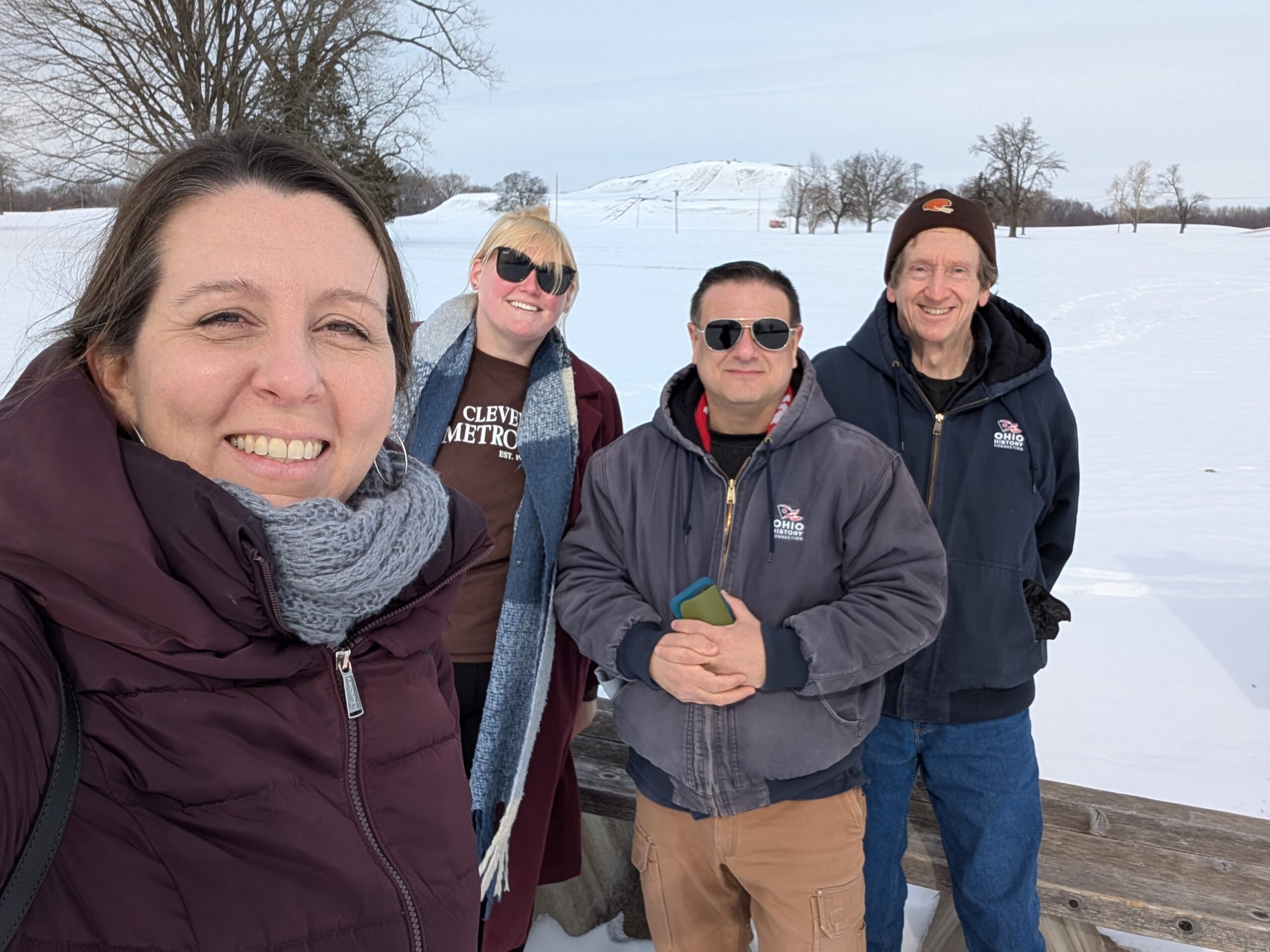
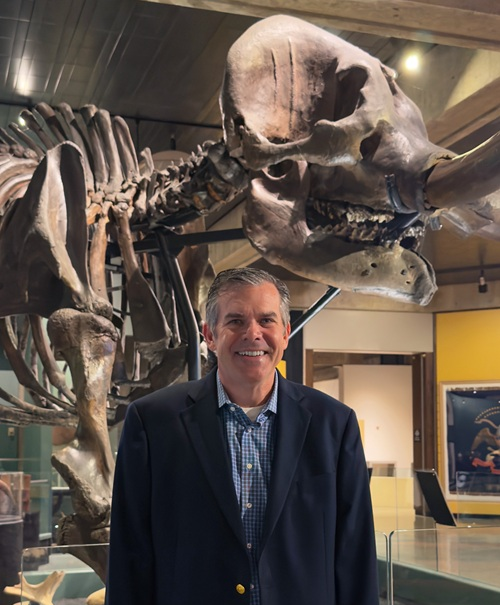
Jen Aultman, Sarah Hinkelman, Bill Kennedy, and Brad Lepper at the Cahokia Mounds State Historic Site in Illinois with Monk's Mound in the background.

Jen Aultman, Sarah Hinkelman, Bill Kennedy, and Brad Lepper at the Cahokia Mounds State Historic Site in Illinois with Monk's Mound in the background.

Jen Aultman, Director of Historic Sites and Museums

I have attended the Myaamia Winter Gathering several times, and each time I am in awe of the resilience of the Miami and other Tribal nations now in Oklahoma where they were forcibly removed from Ohio in the nineteenth century.

Hearing stories told in Miami, with young Miami children understanding this revitalized language and laughing along with the stories, signals the nation's vibrancy and deep dedication to the future.

Each Tribal nation in Ottawa County, Oklahoma, is building in its own way for the future. We saw that the Wyandotte nation has outgrown its cultural center and will expand into a larger space to accommodate their many vibrant cultural programs. We delighted in the Eastern Shawnee's creative renovation of a former bingo hall into a Shawnee Woodland gathering space that appeals across generations. In the Stomp Dance hosted by the Miami Tribe on Saturday night, friends from other Tribal nations and non-native friends alike joined in, dancing together in unison with open-hearted joy.

The Winter Gathering and mutual support among the Tribal nations of northeast Oklahoma offer shining examples to the world of how community, resilience, and joy can show the path forward through the literal and metaphorical darkness of winter.

Lara Detrick, NAGPRA Specialist

Being able to travel out to the Myaamia Winter Gathering in Oklahoma and join in on the celebrations felt like a full circle moment, particularly respective to what my job usually is.

Most often, the NAGPRA department at the Ohio History Connection works with the Tribes to help return ancestors and their belongings back home, and in doing so, we have to ask several things of the Tribes that we work with, meeting with them virtually, or here in Ohio. This invitation allowed us to be able to meet them where they live and experience the same land that they do in their typical day to day.

Not coming into this with a set agenda for our repatriation work allowed us to appreciate our time and the celebrations at a much deeper level, and beyond just federally regulated work tasks, but as friends who share a greater appreciation for one another and their lives. I was able to see the receiving end of our work and connect with people in a much more meaningful way, and I am deeply grateful for the invitation and opportunity to have experienced it!

Patti Lavell, Director of American Indian Relations

I took away so many unexpected joys from the time spent visiting with our Tribal partners in Oklahoma. But regardless of where we were or which Tribe we were with, there were two overwhelming themes that were impossible to overlook. Those were generosity and unwavering strength.

Chief Friend of the Wyandotte hosted us for a hearty breakfast, during which he eloquently spoke of an enduring bond between his Tribe and Ohioans. Chief Wallace of the Eastern Shawnee warmly welcomed us for lunch and then toured us through the Tribe’s properties, sharing the history of how her people persevered to build a thriving community. The Wyandotte Tribe invited us into their Cultural Center and shared the history and heritage so beautifully reflected throughout the Center and Museum. The Miami Tribe included us in their annual Winter Gathering, where they fed us and shared their Aalhsoohkaana “Winter Stories”, spoken in their beautiful language, which they’ve relentlessly worked to revitalize. On our last night, we were invited to join the Miami in the Stomp Dance, and it was incredible to hear their voices rise together and feel the rhythm of the shakers. I’ve never seen so many people move as one.

I left Oklahoma with immense appreciation for the work our Tribal partners have done and are doing to sustain their languages and lifeways. What each Tribe has rebuilt, despite being ripped from their homeland and having their language and culture taken from them, is nothing short of extraordinary.

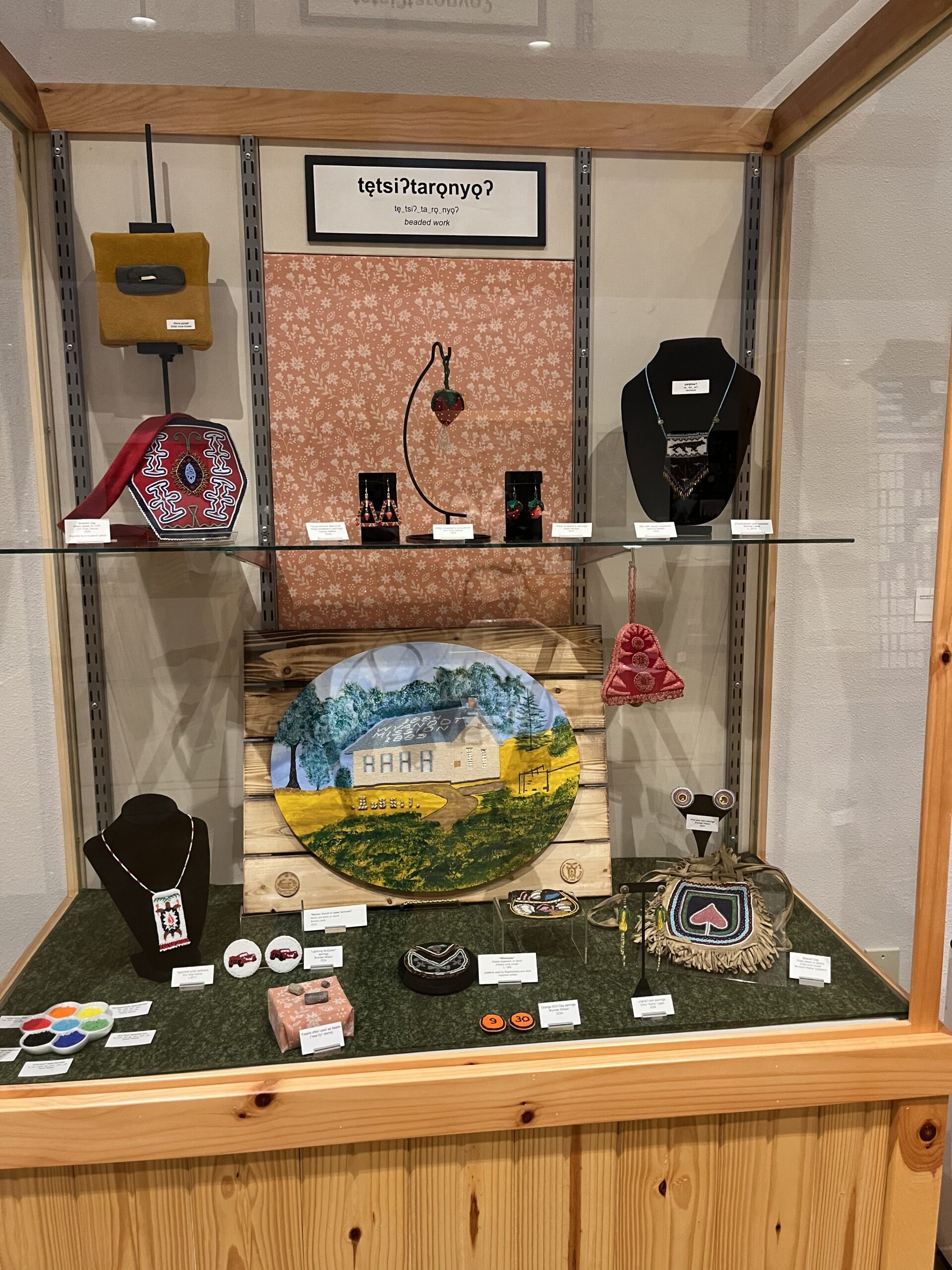
Examples of Wyandotte intricate beadwork on display at their Cultural Center and Museum in Wyandotte, OK.

Examples of Wyandotte intricate beadwork on display at their Cultural Center and Museum in Wyandotte, OK.

Subscribe to Our Blogs