Fort Laurens Renovation Project Week of July 20
Posted July 24, 2026

Week of July 20th-24th

Jul 24

Welcome to the Fort Laurens Underground blog! This edition, ‘This Week at Fort Laurens" will come out on Fridays, detailing a bit of the work we completed for the week along with any interesting finds and the history behind them.

But first, a very brief backstory of the fort and the work we have done. Fort Laurens was established in November 1778 by Commander Lachlan McIntosh as a strategic point to attack the British-held Fort Detroit. It was named after Henry Laurens, the President of the Continental Congress at the time, and built in ten days.

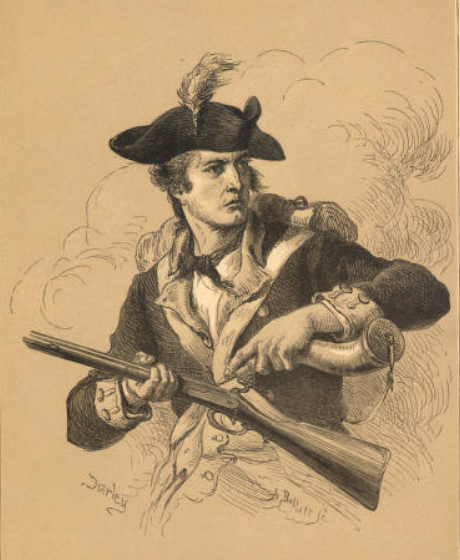
Fort Laurens was a nightmare. The troops that joined McIntosh were outfitted in linen clothes and with limited rations. They were were under siege by the British and the indigenous groups that joined them; feeling too threatened to venture out once the siege had begun, they were not able to hunt or fish and ran out of nails before they finished the fort—none of the barracks had doors. Twenty men died in an ambush, and their bodies were left where they perished because the no one wanted to be the next victim of the siege. Their bodies were subsequently ravaged by wolves. When McIntosh led a relief party to the men, the soldiers at the fort saw them coming, raised their guns, fired in salute and frightened all the packhorses, who ran off and spewed their goods everywhere. Fort Laurens was shortly abandoned in August of 1779.

In the early 1900’s, Fort Laurens was turned from farmland into a public park for the town of Bolivar. In the 1970’s, an archaeologist was called in to dig the entire fort in preparation for the museum. In the early 2000’s, a small portion of the fort was excavated and in 2024, the Fort Laurens 250 Project started. In 2028, the state of Ohio hopes to have completed the reconstruction of the remaining walls of the fort, as well as a museum revamp.

That wasn’t brief at all.

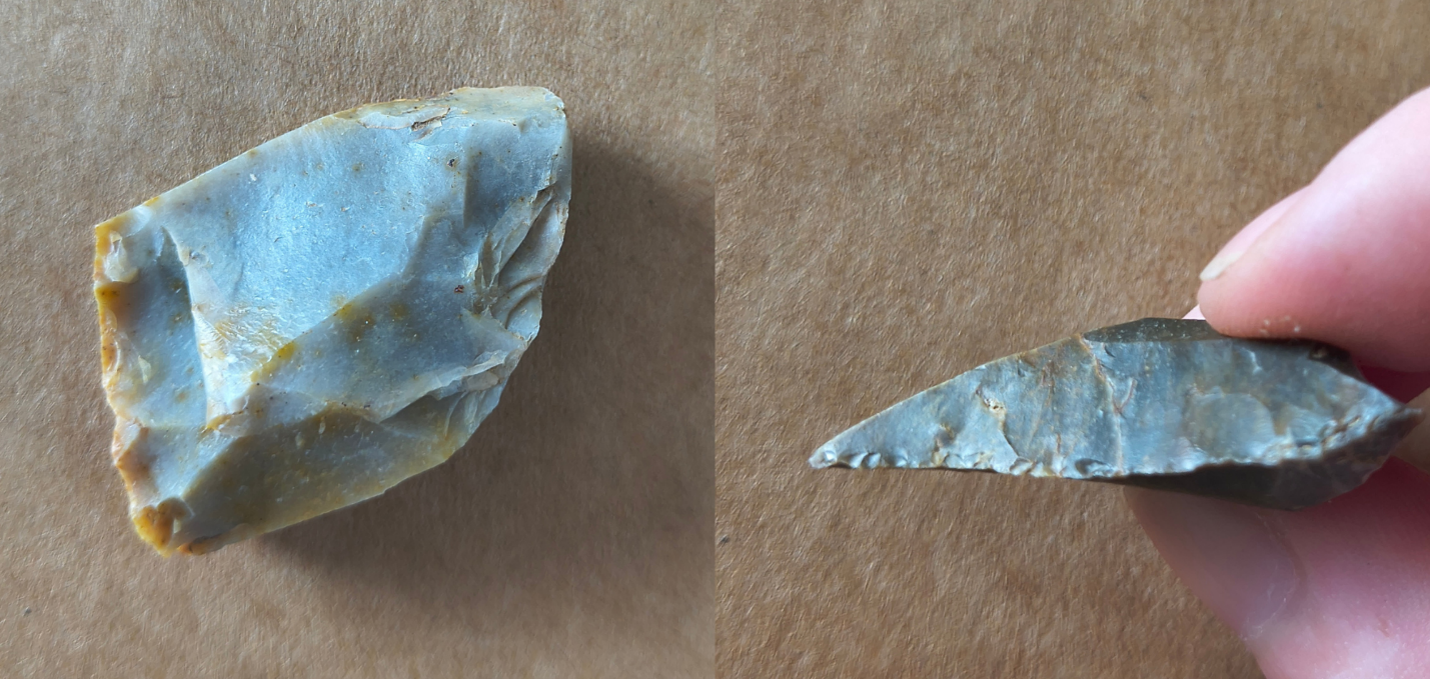
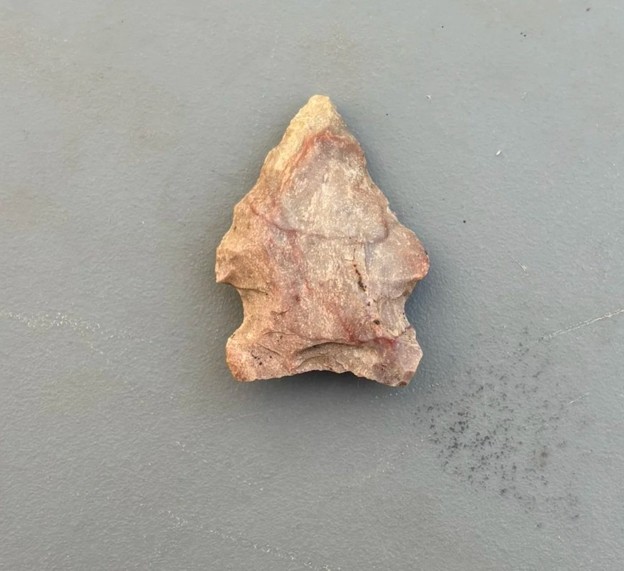
This summer, we started on the northern wall of the fort. We completed thirty meters of the wall and are now working on the northwestern side of the northern bastion (see map below!). Most of our finds have been pre-contact lithics and 18th-19th century material, but what we’re really after is the post molds in the original trench. When wood rots in an anaerobic (without oxygen) environment, like underground, it turns black and stains the dirt around it. The wood rots almost completely away, but the stain in the dirt is left. This means that if we dig below the fill from the 1970’s dig, we (sometimes) get a perfect line of post molds showing exactly where the individual logs for the wall were placed. In doing this, we also reveal the original soldier’s trench walls—and let me tell you, there is definitely an A Team, a B Team, and a Z Team digging these things. The bastions, which were built first, have been really nice. The northern wall was chunky.

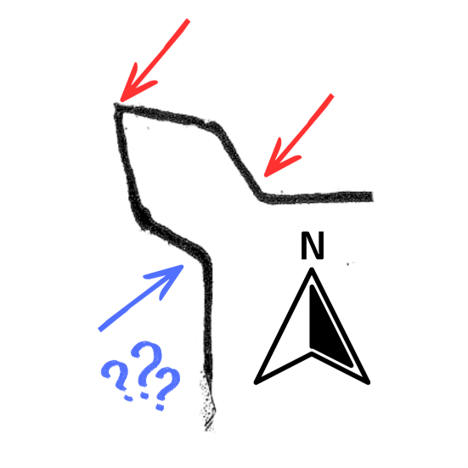
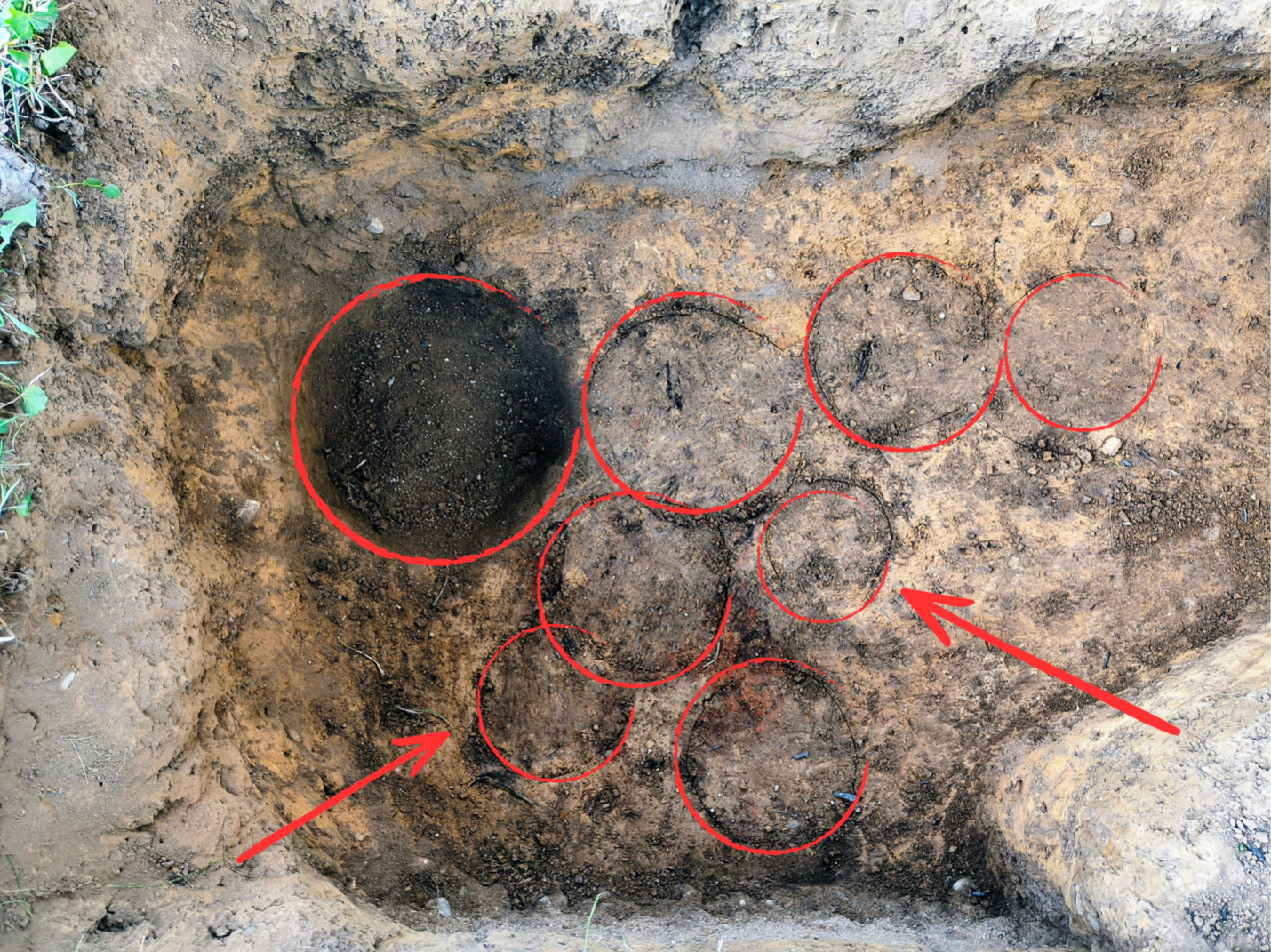
This week, we completed the northeastern half of the northern bastion and the tip revealed something interesting. Instead of the palisade wall leading up to the fort, what we found was the palisade wall, the tip of the bastion and other post molds placed in the interior of the tip. We have seen this before, on the corner where the bastion extends from the wall.

The northwestern bastion, with red arrows marking the corners with interior post molds, and a blue arrow on the corner the Fort Laurens Archaeology team has not excavated yet (as of July 2026).

The northwestern bastion, with red arrows marking the corners with interior post molds, and a blue arrow on the corner we have not excavated yet.

Post molds at the tip of the bastion at Fort Laurens. Each corner mold was excavated in the 70s, which is why the large one at the top left is so dark. The post molds with red arrows pointing to them are the ones not in line with the rest of the wall.

Post molds at the tip of the bastion. Each corner mold was excavated in the 70s, which is why the large one at the top left is so dark. The post molds with red arrows pointing to them are the ones not in line with the rest of the wall.

The bastion of a fort is a defensive strategic point where soldiers would build a platform or pile up dirt so they could stand and fire over the wall. Could these interior post molds be platform posts? Or could they be part of an interior anchoring system to keep the fort upright?

Whatever the reason, we did not see this pattern repeated in the northeastern corner of the bastion, only where the bastion meets the wall and where the outer tip of the bastion is (see image left). It certainly gives us something to think about for the next bastion/wall connection at the western wall, and for the southwestern bastion. We know the engineer for the fort was French and he utilized multiple aspects from 18th-century European fort construction, making Fort Laurens not a true European Star Fort, but a square fort with four pointed bastions.

For now, this will remain a fun puzzle for us to figure out. The dirt tells us so many things that physical artifacts and contemporary writing can’t. When the soldiers were building the fort, they weren’t thinking of the importance of bastion support, or writing down the minutiae of their day. They were trying to build a fort and survive. Colonel John Gibson wrote on December 12, 1778, “I’ve already finished setting up the pickets, and in a few days, I think I can bid defiance to the enemy.”

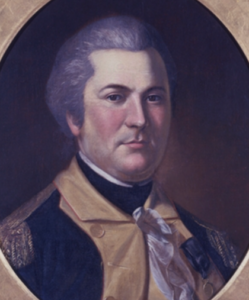
The references we have to the construction of the fort are few and far between. There is debate about whether the credited engineer, a Frenchman named Louis Antoine Jean Baptiste de Cambray-Digny, actually constructed the fort or if they just used his ideas from the construction of Fort McIntosh. When the entire fort was excavated in the 70s, they didn’t record the post molds, only the position of the walls. We are lucky enough to have the privilege of recording these molds for the first time and possibly shining new light on the architecture of the fort.

Portrait of a Frenchman named Louis Antoine Jean Baptiste de Cambray- Digny. It's debated where he constructed Fort Laurens- or if they just used his ideas from the construction of Fort McIntosh.

Schrödinger’s Frenchman—we know he existed, but we cannot confirm his presence at Fort Laurens.

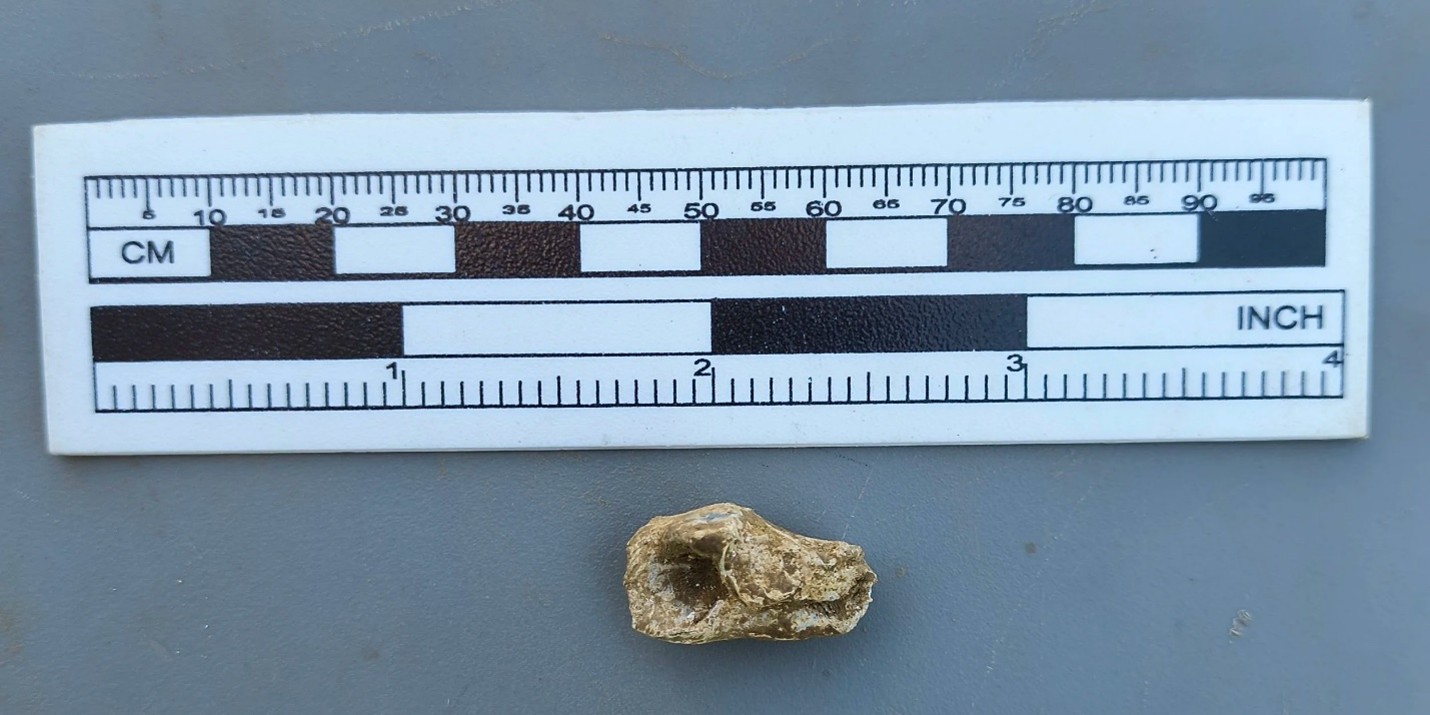
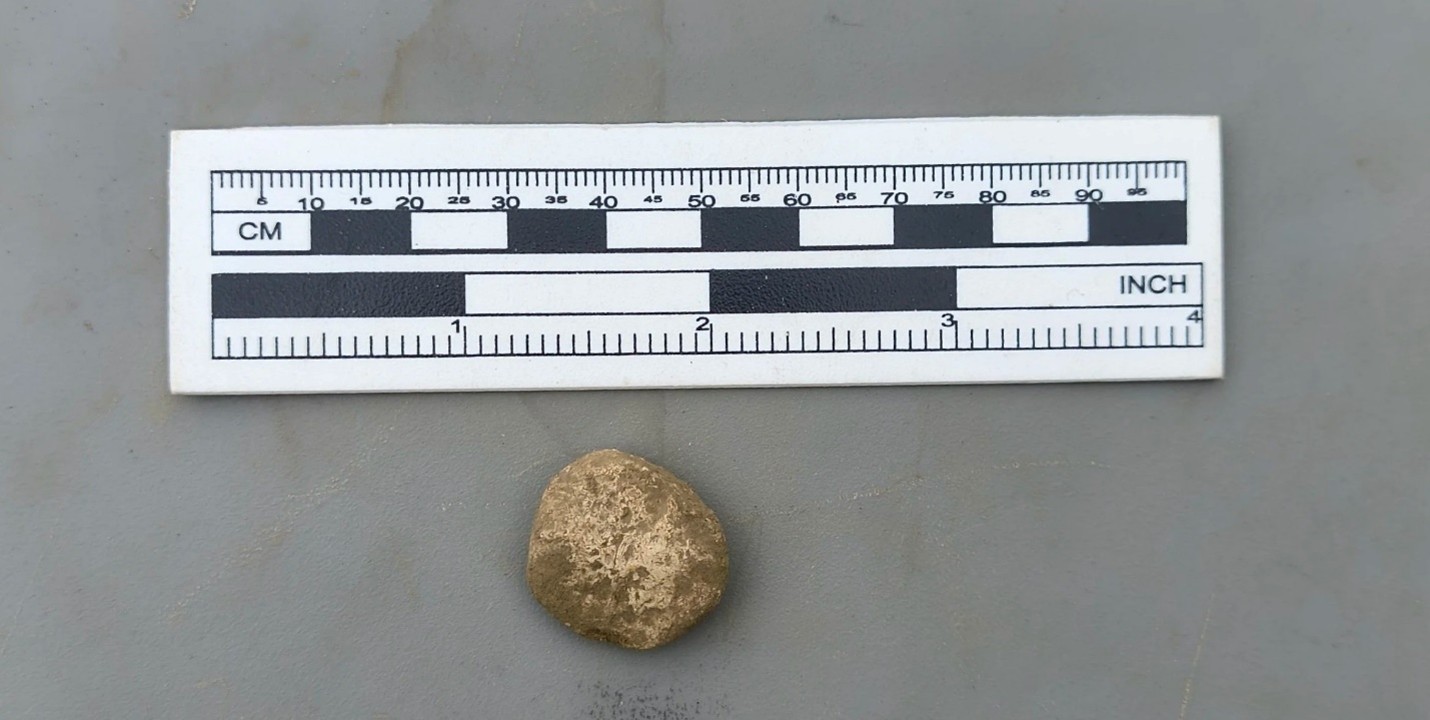
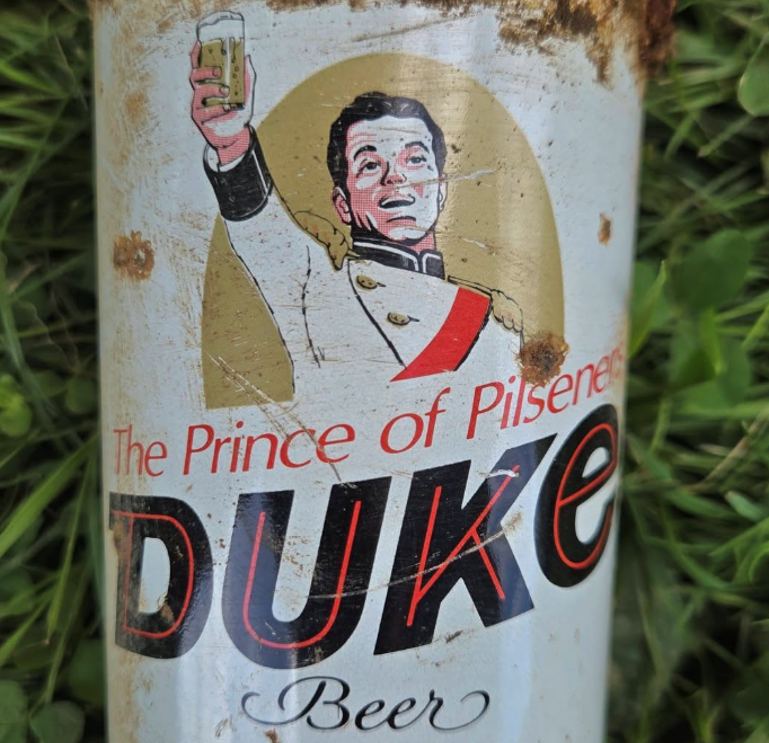
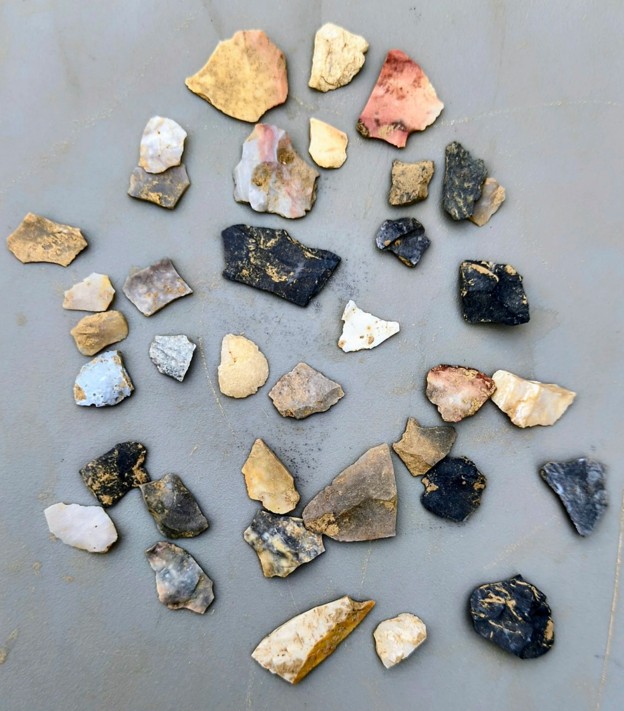
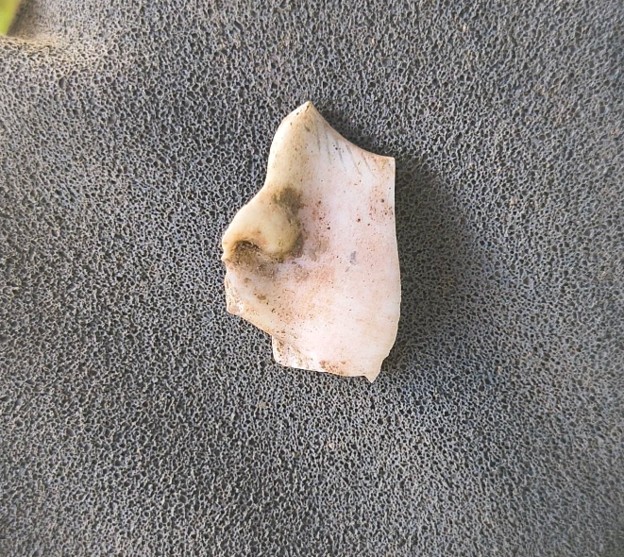
By now, I’m sure we’ve all had enough talk about bastions and dirt. Let’s talk some fun stuff—like what we have found in our units, both this week and in the previous month and a half!

As you can see, our artifacts come from almost every point in Fort Laurens’ history and from all occupants and visitors to the land. We’re not allowed to leave things behind, but sometimes I wonder what we would throw into a unit for the next archaeologists to find. Maybe a White Claw?

Subscribe to Our Blogs