Why Build a New Palisade?
When archaeologists excavate the remains of a fort, the wooden walls are usually long gone. What remains are subtle traces in the soil: post molds, charcoal deposits, stains, and changes in soil color or texture. Interpreting those traces can be challenging to say the least.
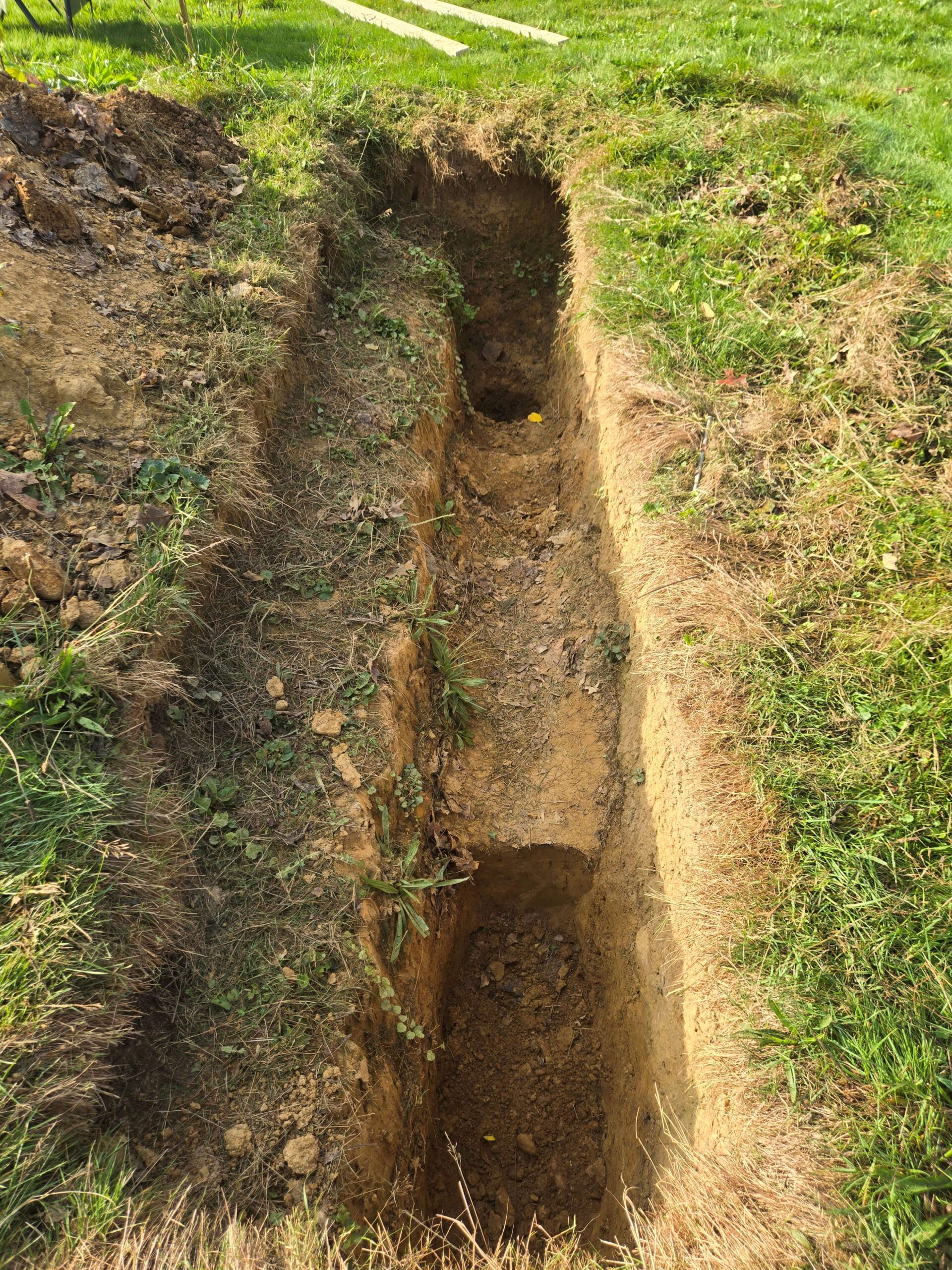
By constructing a test palisade and carefully documenting how it changes over time, we can observe exactly what evidence different processes leave behind. This will help us better understand the original construction, destruction, and preservation of Fort Laurens and similar sites.
The Experiments
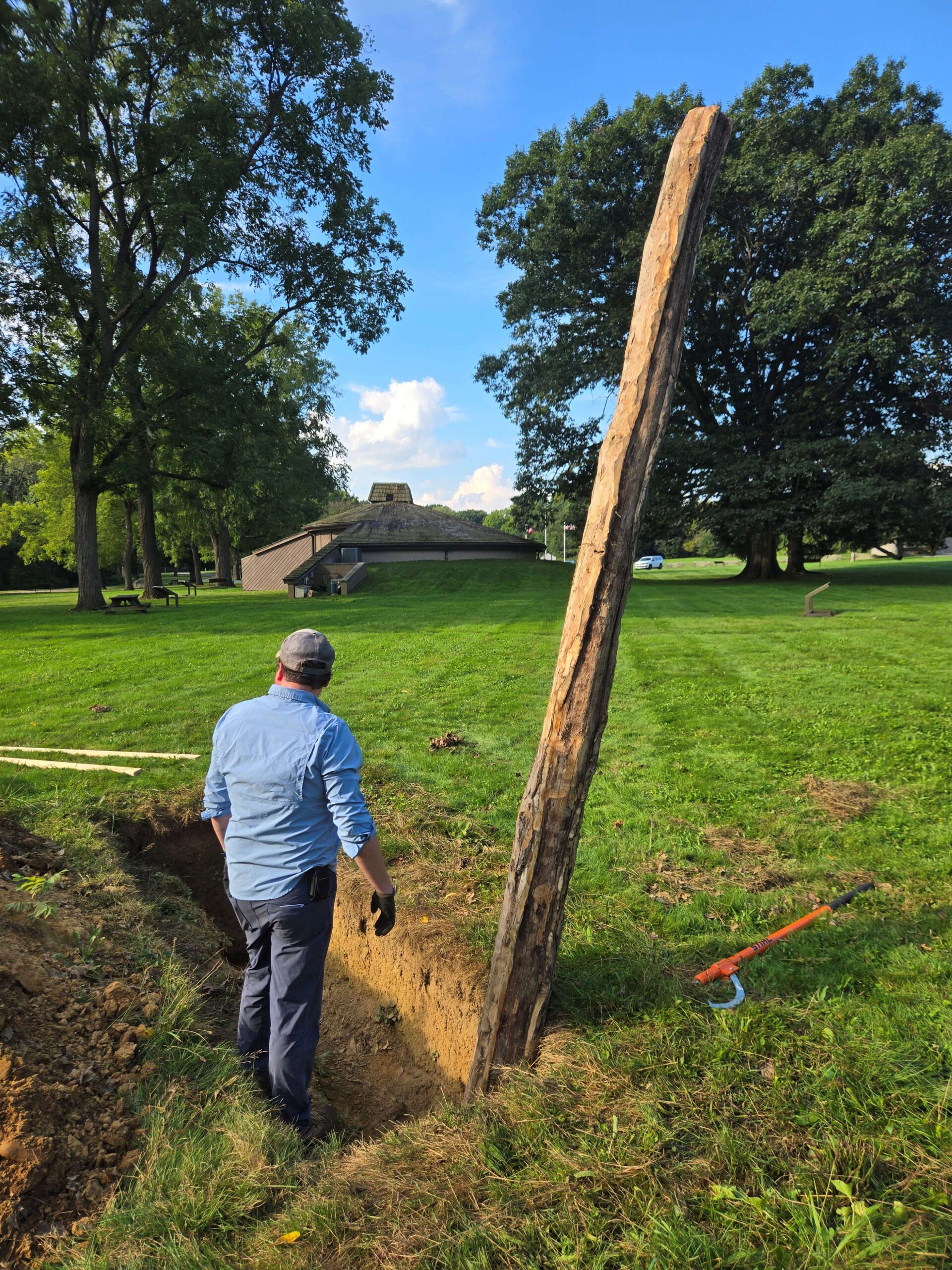
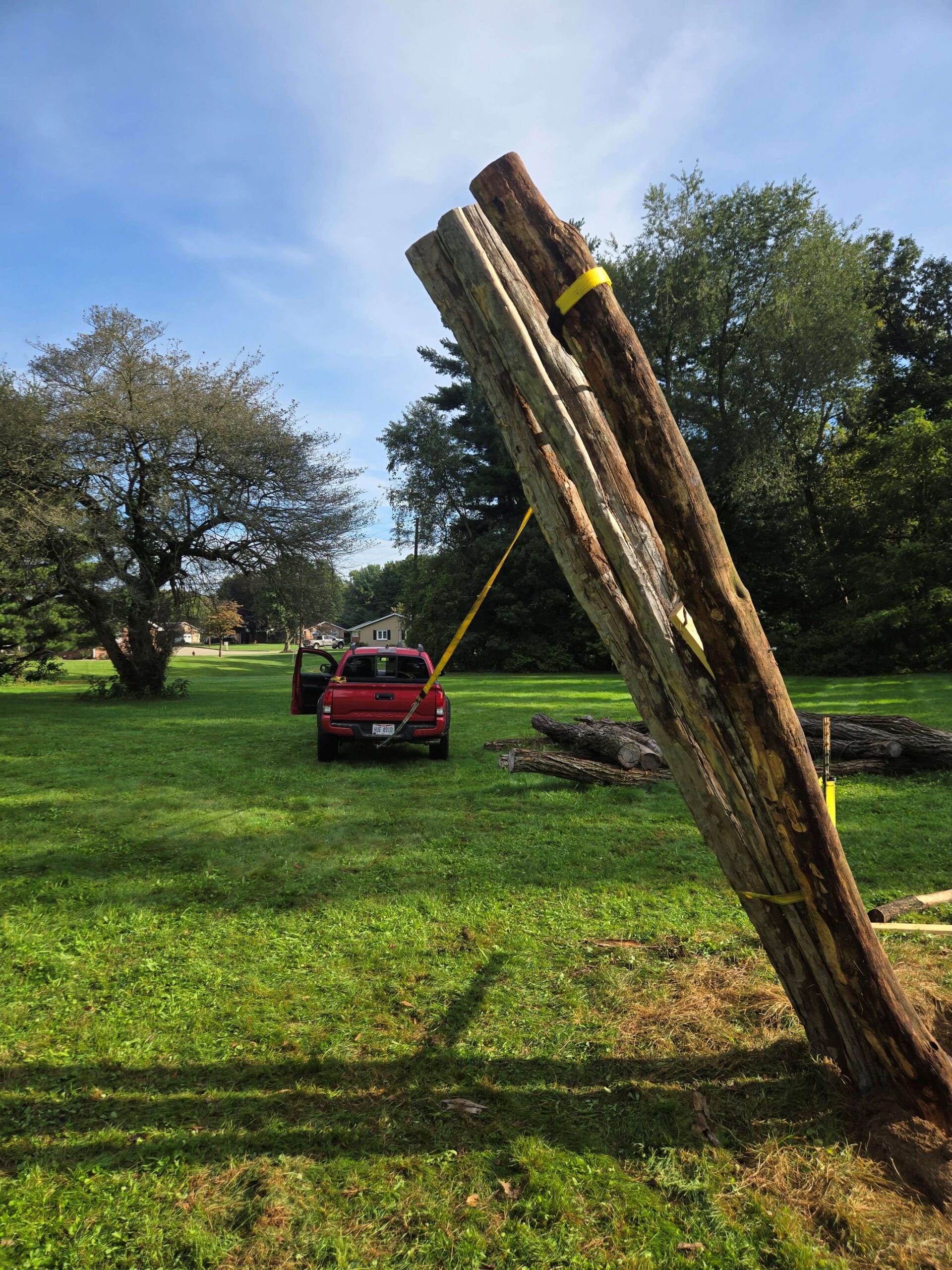
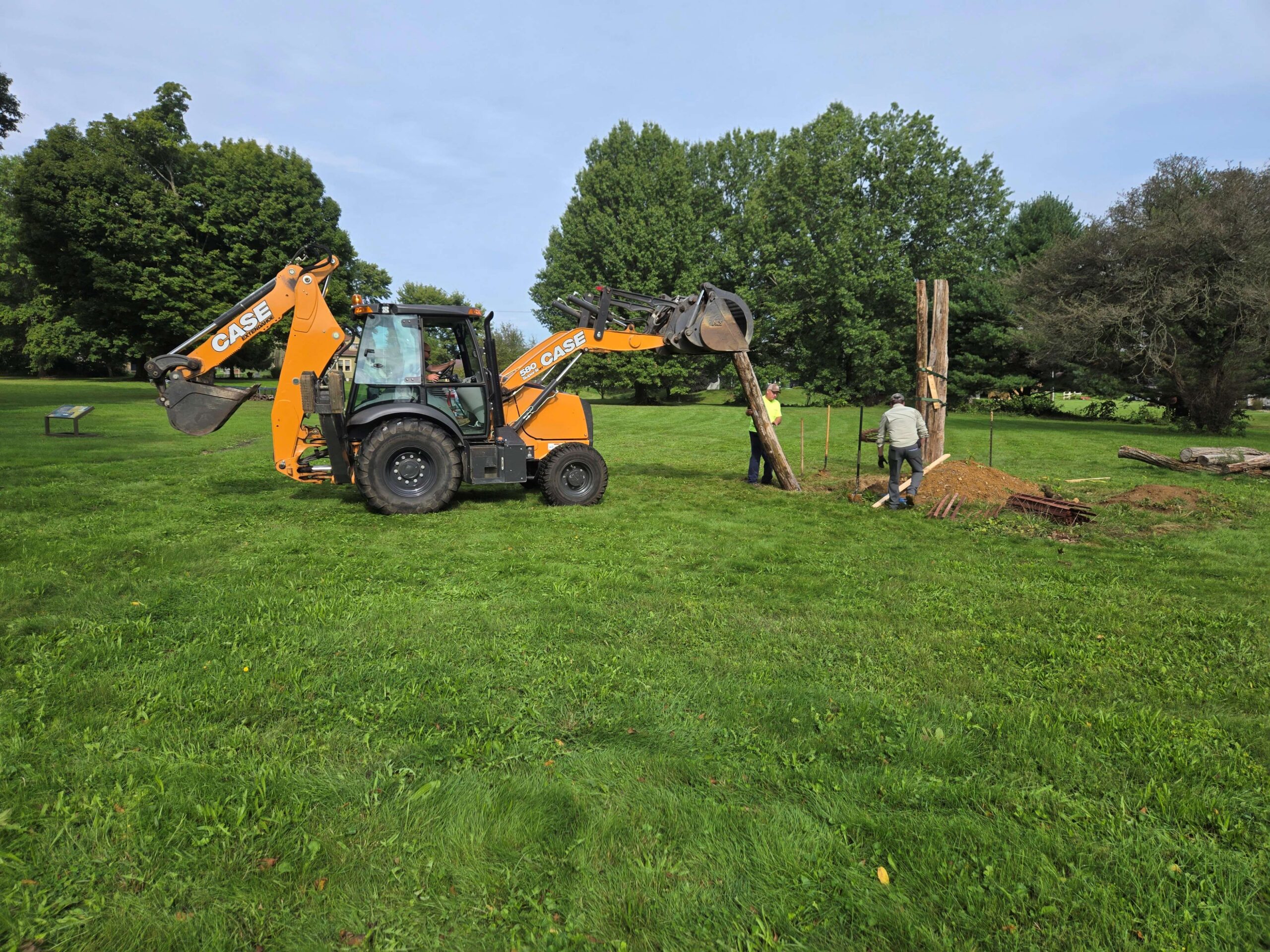
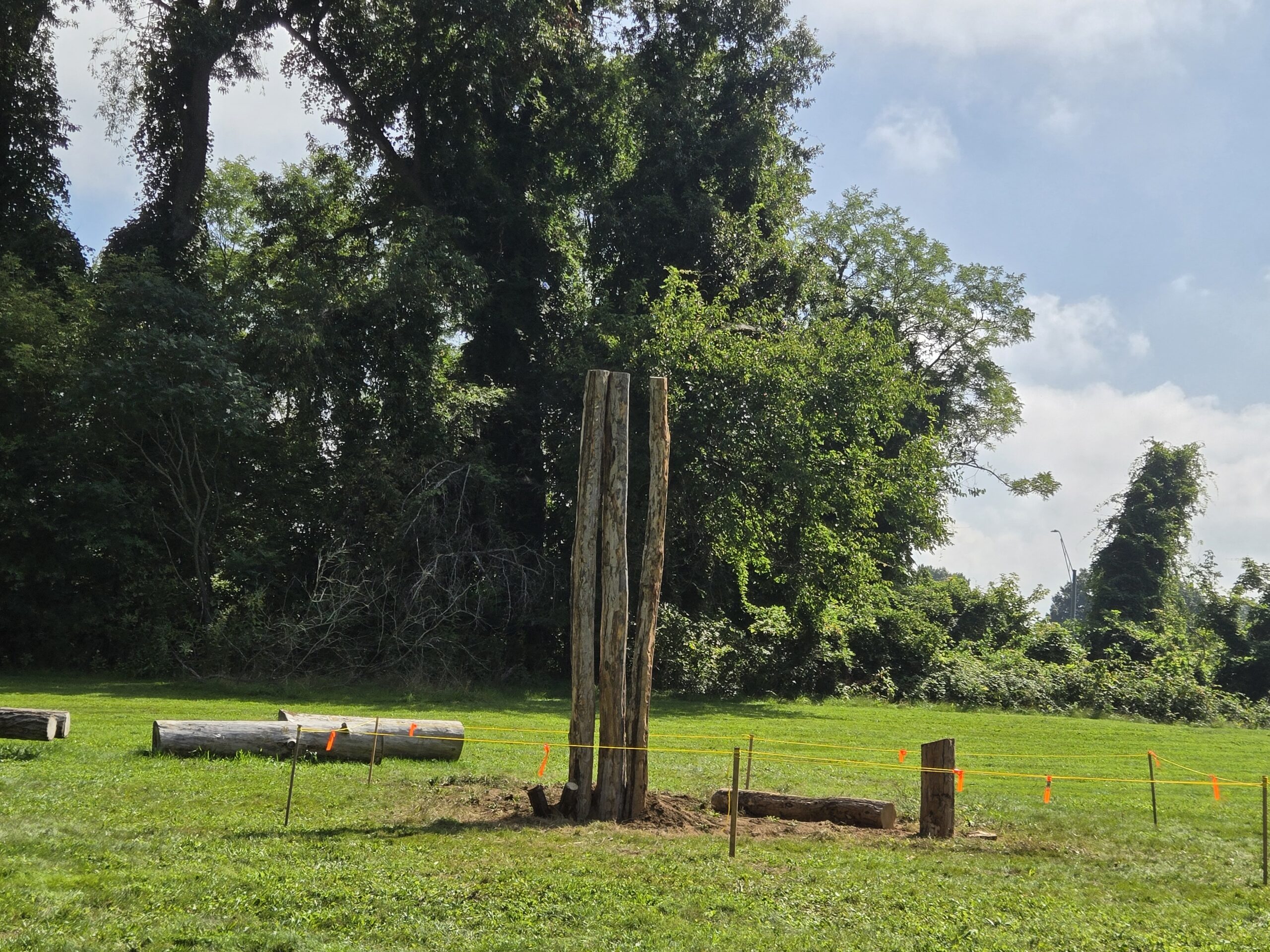
Several experiments will be conducted simultaneously using timber posts installed under different conditions.
Burned Palisade Posts
One experiment will involve placing a timber post into the ground and intentionally burning it under controlled conditions.
The purpose is to document the archaeological signatures created by fire, including:
- Charcoal deposits
- Charring on surviving wood
- Soil discoloration
- Burn patterns around the post
Understanding these traces will help archaeologists recognize the evidence left by burned wooden fortifications centuries after the original structures have disappeared.
Ground Settling Around Posts
Another experiment will examine how soils move and compact around installed timbers over time. Archaeologists frequently encounter soil disturbances associated with former postholes, and documenting these changes will help improve interpretations of excavated features.
Earthen Berm Effects
Many eighteenth-century forts used earthen embankments in conjunction with wooden palisades. This experiment will evaluate how an earthen berm affects post stability, preservation, and the surrounding soil conditions.
Looking to the Future
Now that the test wall is completed, the posts will be monitored and documented as conditions change, allowing researchers to track the gradual processes of decay and preservation.
Although the experiment focuses on a small section of wall, the information gathered will help archaeologists better understand the life cycle of wooden fortifications, from their construction to their eventual disappearance. By studying how these features form in controlled conditions today, we can more accurately interpret the traces left behind by Fort Laurens and other eighteenth-century military sites.