Current Exhibits
Although often misunderstood by the West, African art had an enormous impact on the world. While Africans created objects for culturally specific functions, their aesthetics challenged Western society and shaped its perceptions. This exhibit presents the relationship between the aesthetic and cultural functions of African art objects and the historical context of their global influence. The exhibition addresses modern questions of cultural appropriation, representation, and repatriation in presenting this updated interpretation. Using the museum's extensive African Art collection, Wright State University Graduate Students in Public History assisted the NAAMCC curatorial staff with its creation.
Explore the many ways that African Americans served our country in the military and on the home front during World War II, through this exhibit of World War II materials from National Afro-American Museum & Cultural Center collections. Discover the art of Charles Alston, commissioned by the Office of War Information to promote the war effort among African Americans, explore stories of the Tuskegee Airmen, the Red Ball Express, the Triple Nickels and Wilberforce-area veterans, and get a look at the impact World War II veterans had on the advances in civil rights that followed the war.
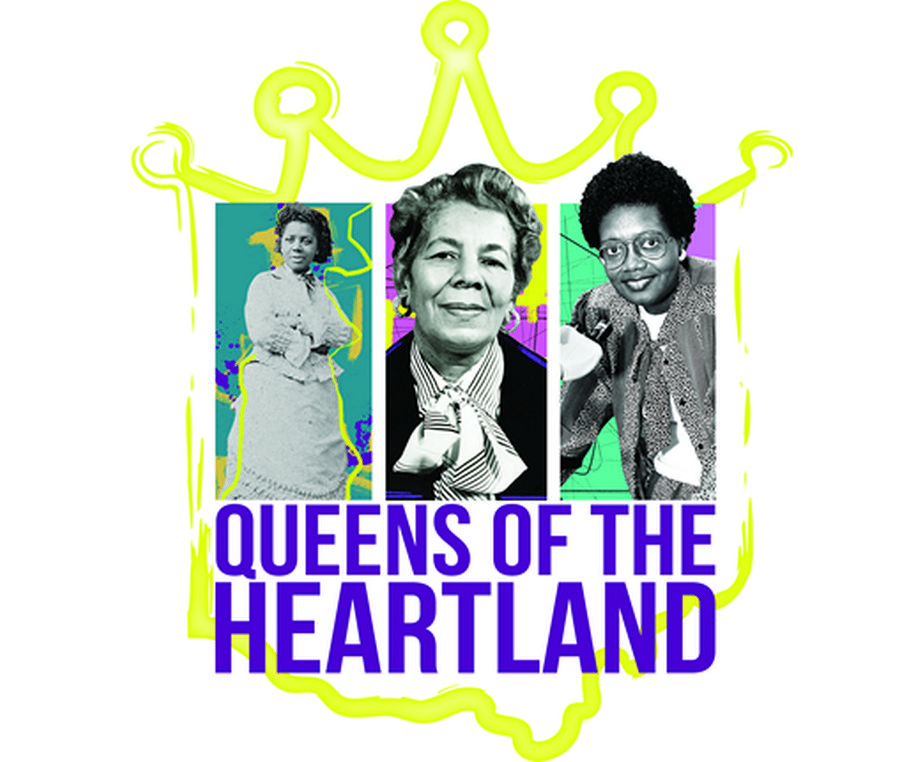
The Queens of the Heartland-the exhibit is part of the Ohio History Connection and National Afro-American Museum and Cultural Center Women’s Suffrage Centennial celebration. The exhibit will feature the stories of 30 Ohio African American women who were a significant influence in the Suffrage and Civil Rights Movements. The Queens of the Heartland exhibit will tell the stories of pioneering women through panel text as well as three-dimensional objects. This exhibit will also feature portrait illustrations of these historical figures by New York artist Nichole Washington whose current work focuses on identity and celebrates African American women.
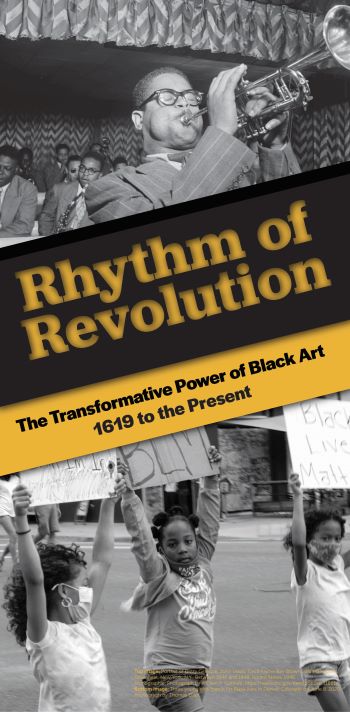
The National Afro-American Museum and Cultural Center in Wilberforce, Ohio, presents a new exhibit called Rhythm of Revolution-The Transformative Power of Black Art 1619 to the Present. The exhibit maps the visual flow of artistic, cultural, social, and political change in America from 1619 to the present day. Using three-dimensional objects from the NAAMCC collections, Rhythm of Revolution explores how Black artists, religious leaders, and activists worked within their spheres of influence to transform Ohio and our nation. Over time, these known and unknown change agents connected deeply rooted African traditions, interpreted those traditions to attempt to solve contemporary challenges, and worked to pave the way forward into a better future.