Major Asa Coburn, Revolutionary War Veteran
Posted July 10, 2026
Topics: MilitarySettlement & StatehoodMuseum Collections

By Benjamin Baughman, History Curator

It is estimated that over seven thousand Revolutionary War veterans settled in Ohio following America’s battle for independence.  Many of these former soldiers were gifted land in the Ohio territory by the U.S. government as payment for their service, while others arrived after purchasing land acquired by the United Sates from Great Britain following the Treaty of Paris.  One example of a patriot who relocated to present-day Ohio following the war is Major Asa Coburn of Massachusetts.

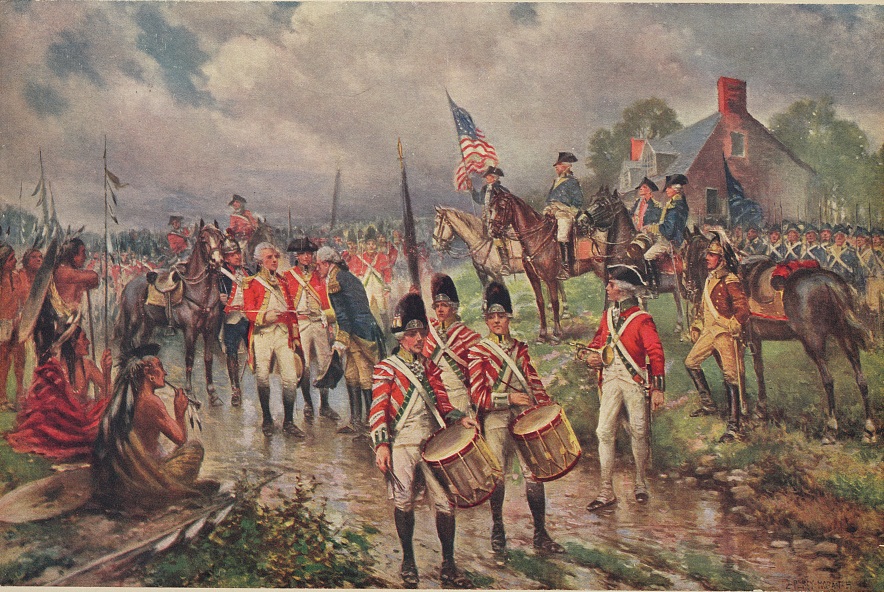
Before settling in Ohio, Asa Coburn, a native of Dudley, Massachusetts, served in the Continental Army during the American Revolutionary War.  Born approximately sixty miles southwest of Boston in 1741, Coburn began his military career when he joined a Massachusetts regiment at the outset of the war.  In 1776, Coburn was promoted to First Lieutenant with the 5th Continental infantry and later served six years (1777-83) as Captain of the 7th Massachusetts regiment.  During the war, Coburn’s troops participated in many significant battles including the Siege of Boston, the Battle of Trenton, and the Battle of Saratoga.  Coburn retired from the military in 1783 with the rank of major.

Burgoyne's Surrender at Saratoga | Via the Library of Congress

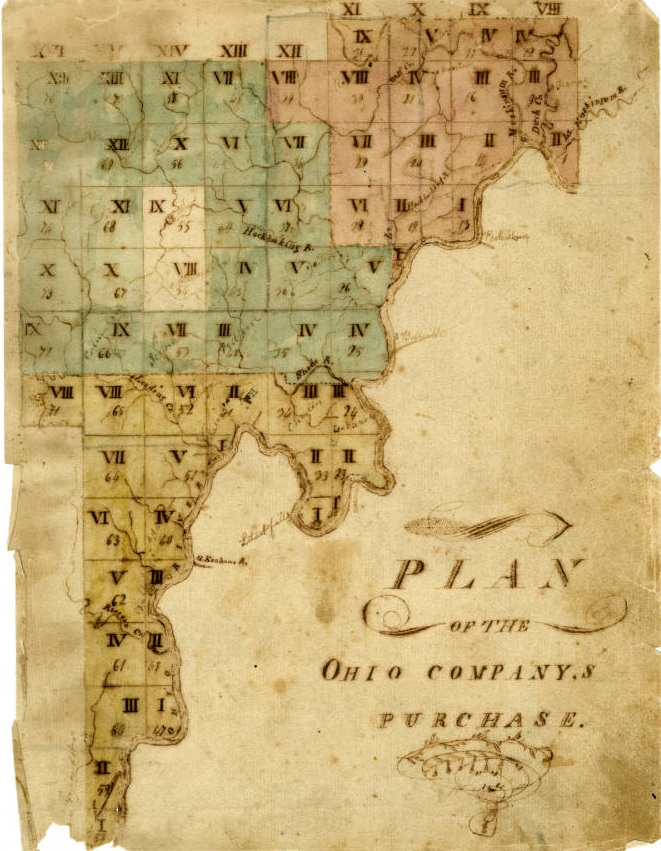
Following the war, a group of Revolutionary War veterans led by Rufus Putnam gathered in Boston to discuss purchasing land from the federal government in the newly acquired Northwest Territory. This group, known as the “Ohio Company of Associates” or simply the “Ohio Company,” received permission from Congress in 1786 to purchase 1.5 million acres of land stretching along the Ohio River between present-day Marietta, Ohio, and Huntington, West Virginia.  In 1788, Asa Coburn’s son, Phineas Coburn, joined this group of forty-eight New Englanders and journeyed by wagon and flatboat to the Ohio territory to establish Marietta, the first permanent American settlement in the Northwest Territory.  Later that same year, Asa Coburn, along with his wife, Mary, and their other two sons, Asa and Nicholas, also traveled to Marietta to live near Phineas and the other members of the "Ohio Company."


After residing in Marietta for less than a year, Asa Coburn, along with a group of around forty people (including his wife and three sons), moved approximately twenty miles up the Muskingum River to an area near present-day Waterford, Ohio.  Members of this group, known as the “Second Association,” were awarded one hundred acres of land each by the "Ohio Company" as incentive to farm the area's fertile land and further stake the company's claim to the Ohio territory.

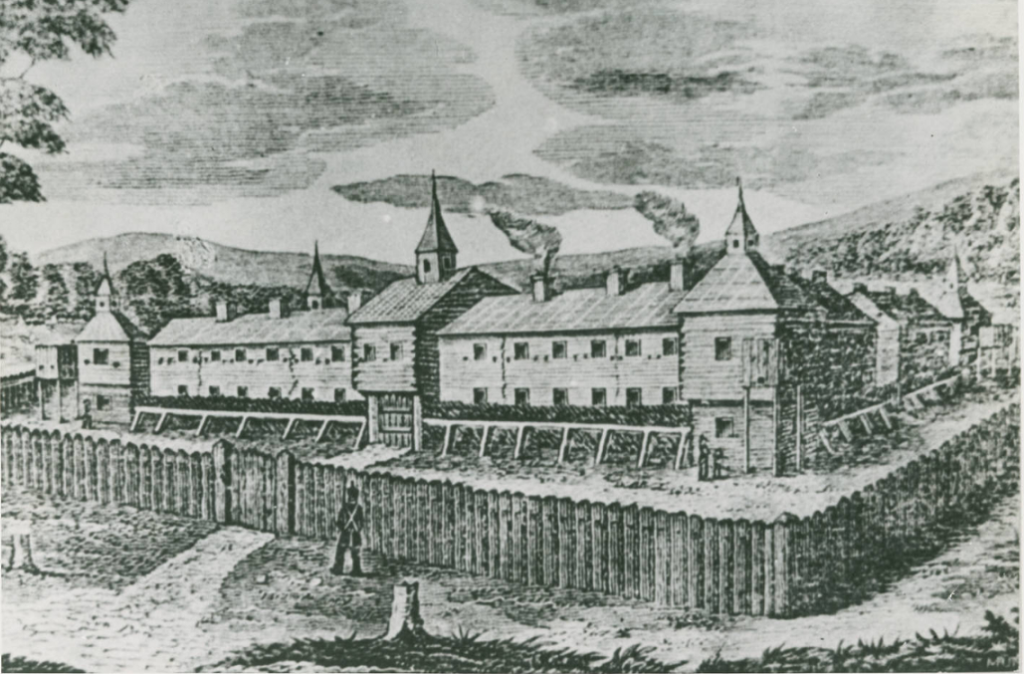
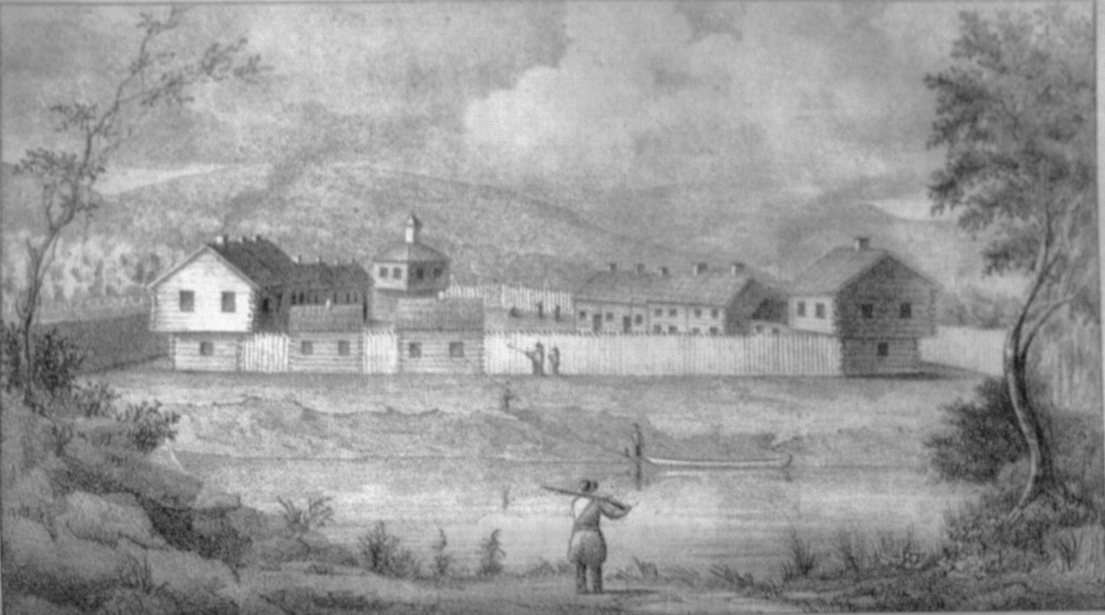
In 1791, the members of the “Second Association” constructed a fort on the north side of the Muskingum River (near present-day Beverly, Ohio) known as Fort Frye.  Named after Lieutenant Joseph Frye, a member of the “Second Association” and, like Coburn, a Revolutionary War veteran from Massachusetts, Fort Frye was a triangular-shaped wooden structure that encompassed both family cabins and military barracks.  For the next several years, Asa Coburn resided with his extended family at Fort Frye until sometime around 1794 when he was reportedly killed in the Waterford area.  The location of his grave remains unknown to this day.

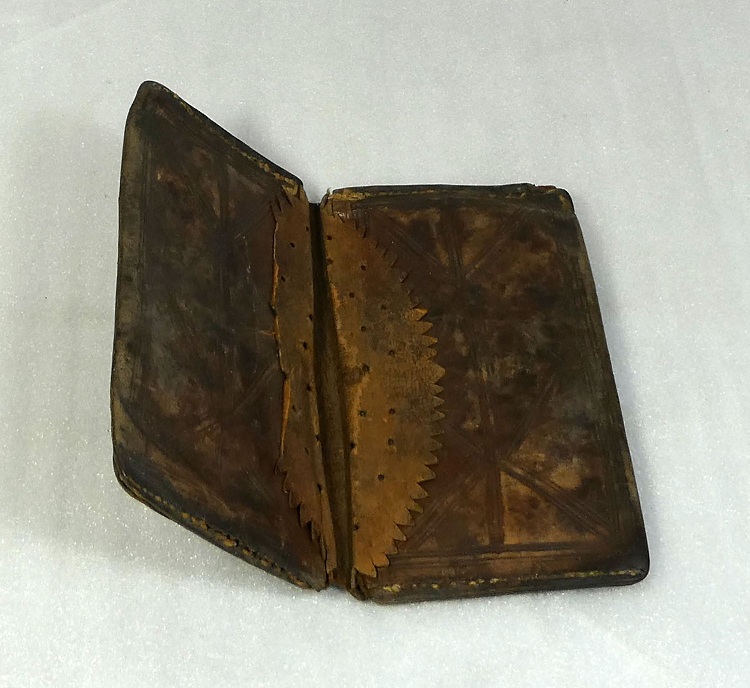
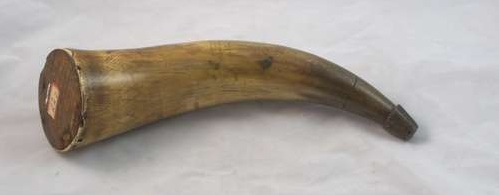
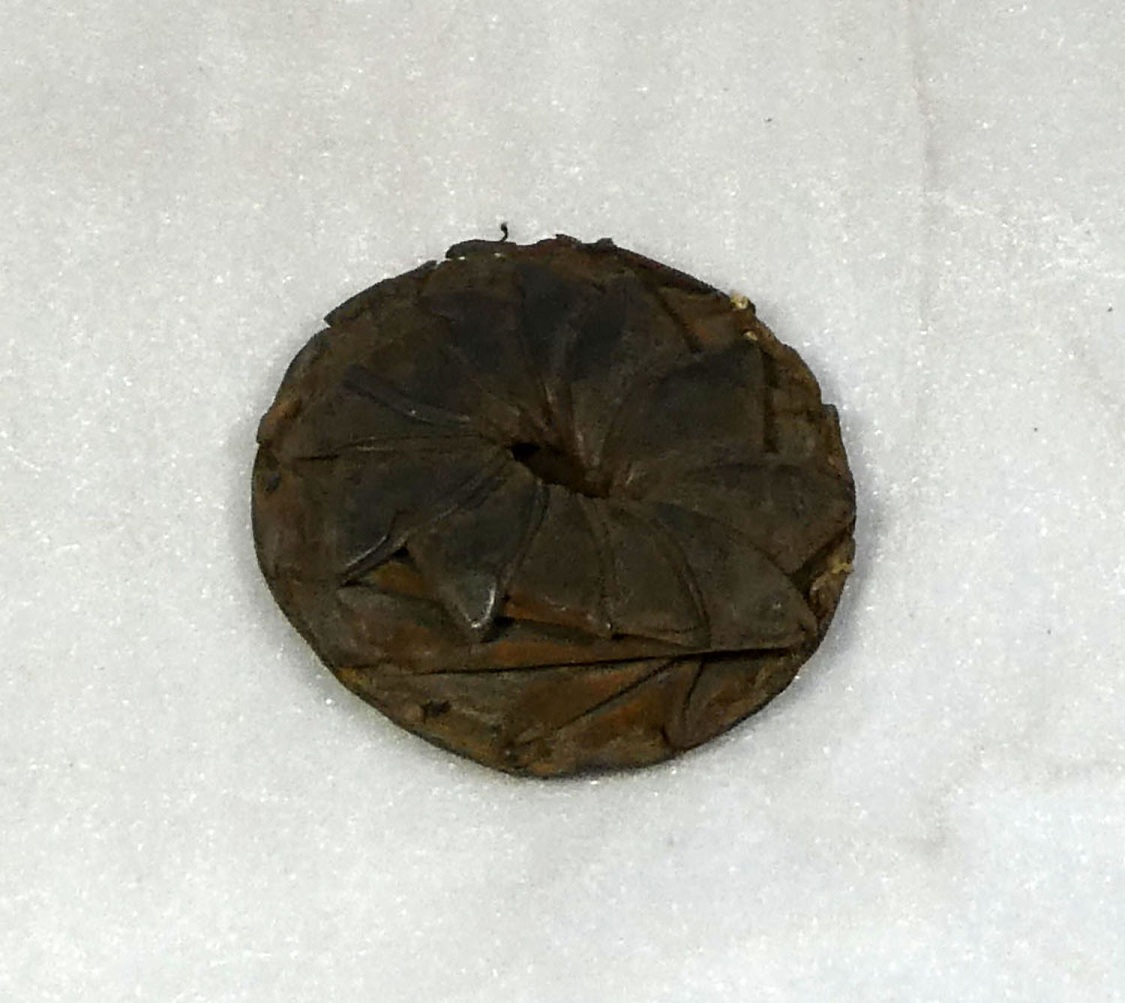
In 1938, a descendant of Asa Coburn donated to the Ohio History Connection several objects that belonged to Major Coburn.  Some of these items, including a pocketbook, a powder horn, and a coin purse, are believed to have been carried by Coburn during his service in the Revolutionary War.

Pocketbook, ca. 1780 | Via the Ohio History Connection

Powder Horn, ca. 1780 | Via the Ohio History Connection

Coin Purse, ca. 1780 | Via the Ohio History Connection

To view more objects in our collections relating to the American Revolution, search the Ohio History Connection's online catalog at https://www.ohiohistory.org/research/museum-collections/history-collection/.  To learn more about Revolutionary War veterans in Ohio, make an appointment (https://ohiohistory.libcal.com/) with the Ohio History Connection's Archives & Library or visit the Revolutionary War Veterans Graves Project at https://www.ohiohistory.org/preserving-ohio/history-preservation-where-you-live/revwarvet-graves/.


References

Cutler, Julia Perkins. 1890.  Life and Times of Ephraim Cutler: prepared from his Journals and Correspondence, R. Clarke & Co., Cincinnati

Hall, Charles S. 1905.  Life and Letters of Samuel Holden Parsons, Major-General in the Continental Army and Chief Judge of the Northwest Territory. Otseningo Pub. Co., Binghamton, NY

Hildreth, S.P. 1848. Pioneer History: Being an Account of the First Examinations of the Ohio Valley, and the Early Settlement of the Northwest Territory. H. W. Derby and Co., Cincinnati

Hubbard, Robert Ernest. 2020. General Rufus Putnam: George Washington's chief military engineer and the "Father of Ohio." McFarland & Company, Inc., Publishers, Jefferson, NC

Hulbert, Archer Butler. 1917. The Records of the Original Proceedings of the Ohio Company, Volume I. Marietta Historical Commission. Marietta, OH

McCullough, David. 2019. The Pioneers: The Heroic Story of the Settlers Who Brought the American Ideal West. Simon & Schuster, New York

Peters, William E. 1918. Ohio Lands and Their Subdivision. W.E. Peters. Athens, OH

Summers, Thomas J. 1903. History of Marietta. The Leader Publishing Co., Marietta, OH

Williams, H.Z. 1881. History Of Washington County, Ohio with Illustrations and Biographical Sketches, H.Z. Williams, Cleveland

Williams, James L.,2015.  Blazes, Posts and Stones. Compass & Chain Publishing, Columbus

Subscribe to Our Blogs