

 Admission
 Hours
Hours
 Address
 Contact

Tour the restored home of Warren G. Harding, 29th president of the United States, best known as the site of his 1920 “Front Porch Campaign.” Our guided tours occur on the hour and are 45 minutes to 1 hour long. This restored National Historic Landmark features many of the original furnishings owned by President Harding and his wife, Florence. The newly constructed Harding Presidential Library & Museum showcases the life of the president and first lady. Just a mile away, visit their final resting place at the beautiful Harding Memorial. Average visit time: Allow 2 hours in total for the site. The Harding Memorial Presidential Gravesite is 1.5 miles from the Home and Library. Allow 20 additional minutes to visit the Memorial. To buy tickets or get information about group pricing and tours, visit our plan your visit page.
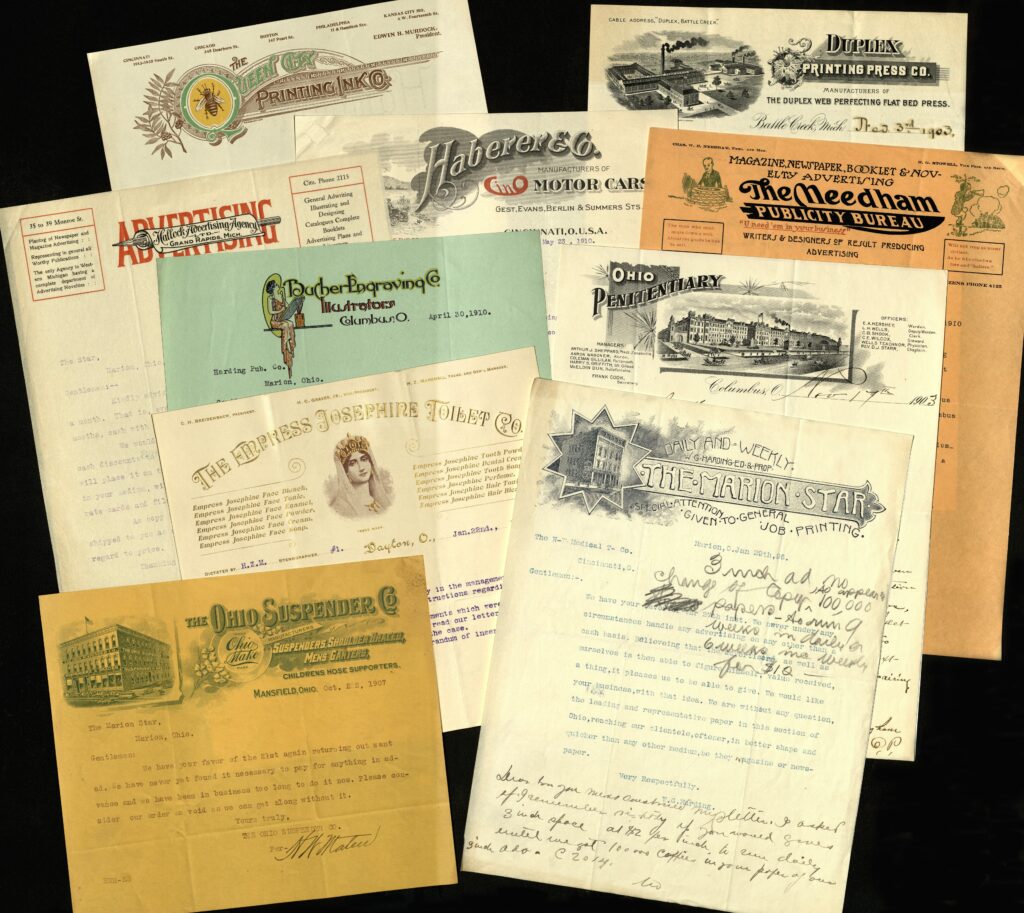
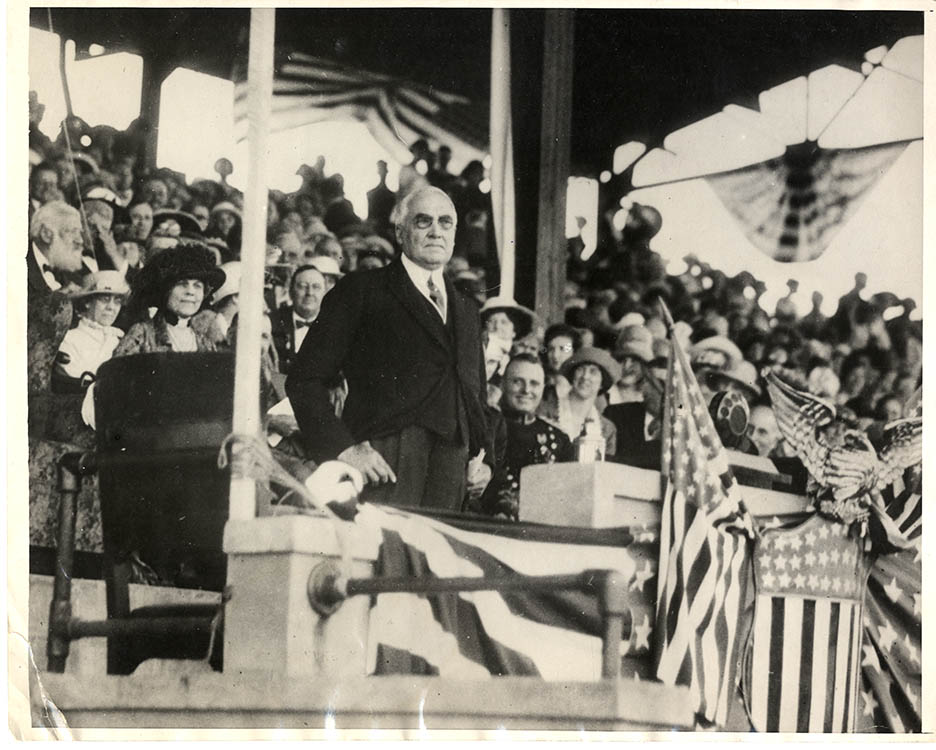
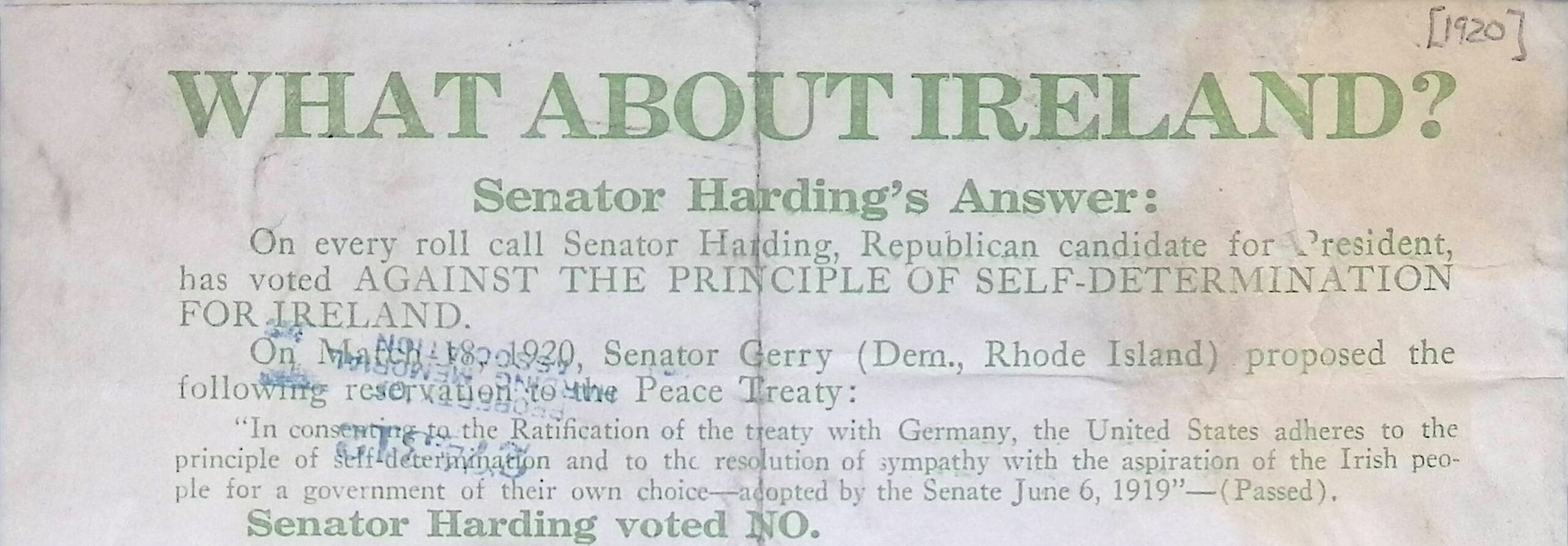
This historic site in Marion, Ohio, is the former home of Warren and Florence Harding. Harding was born Nov. 2, 1865, in Blooming Grove, Ohio, and spent most of his youth in Caledonia, Ohio. In 1882, he and two friends bought the The Marion Daily Star, a newspaper in Marion, Ohio. Harding soon bought out his partners and slowly turned the newspaper into a profitable venture. He won election to the Ohio General Assembly in 1899. In 1903, he became Ohio’s lieutenant governor. Within two years, Harding returned full-time to the Marion Star. A leader in Ohio’s Republican Party, Harding lost a bid for governor in 1910. In 1914, though, he was elected to the U.S. Senate, representing his home state. After serving five years, Harding entered the race for president. He won the GOP nomination in June 1920 and staged a Front Porch Campaign in the general election against Ohio Governor James Cox, a fellow newspaperman. Harding won the election easily with 60.3% of the popular vote and 404 electoral votes. He became the 29th president of the United States (1921-1923) and the first president elected after women were allowed to vote in national elections.
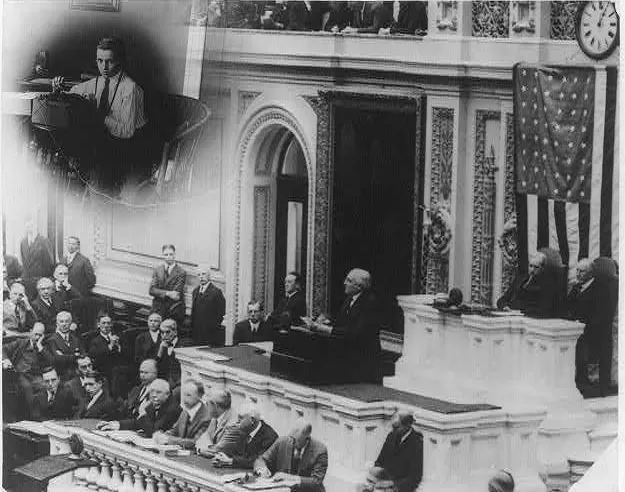
Harding served just 29 months in the White House but accomplished many of his goals: forming the Veterans Bureau, the Bureau of the Budget, slicing the deficit by 25% in two years, putting the discussion of race issues on the nation’s table and hosting the world’s first peace conference. In 1923, Harding died in office of a heart attack. His wife, Florence, who suffered from chronic kidney disease, died just 15 months later. Harding died a popular president, but the unsavory actions of two members of the administration – the Secretary of the Interior Albert Fall and Veterans Bureau Director Charles Forbes -cast a shadow on Harding’s legacy.
The Harding Sites are managed by the Ohio History Connection.